
Masseter Botox is a non-surgical treatment that relaxes the masseter muscles to reduce excessive jaw muscle activity. Depending on your treatment goals, it can improve jaw function and gradually soften a prominent jawline. For a broader overview of Botox treatments and the concerns they can address, visit our Botox Toronto page.
Key Insights About Masseter Botox
Masseter Botox can relieve jaw tension, teeth grinding (bruxism), and TMJ-related discomfort while creating a slimmer, more balanced jawline. The best treatment approach depends on your goals, age, muscle strength, and how the muscles of your lower face work together—not simply the number of Botox units used.
- Masseter Botox can relieve TMJ-related jaw tension, teeth grinding (bruxism), and create a slimmer jawline.
- The standard starting dose is typically 25 units per side (50 units total), but treatment is always individualized.
- Mature patients often require a different strategy because the muscles of the lower face work together to influence facial balance.
- The first treatment helps determine your individual response, allowing future treatments to be refined for optimal long-term results.
What Is Masseter Botox?
Masseter Botox is a non-surgical treatment that relaxes the masseter muscles—the large chewing muscles located at the angles of the jaw. Depending on your treatment goals, it can help relieve TMJ-related jaw tension, teeth grinding (bruxism), and clenching while also creating a slimmer, more refined jawline.
Botox temporarily reduces excessive muscle activity without affecting normal facial expression. As the muscle relaxes, patients often experience less jaw tension and, when appropriate, a gradual reduction in muscle volume that can soften a square jawline.
At MedVSPA, every treatment begins with a comprehensive assessment to determine whether Masseter Botox is the most appropriate option and whether additional lower-face muscles should be included to achieve the best functional and aesthetic outcome.
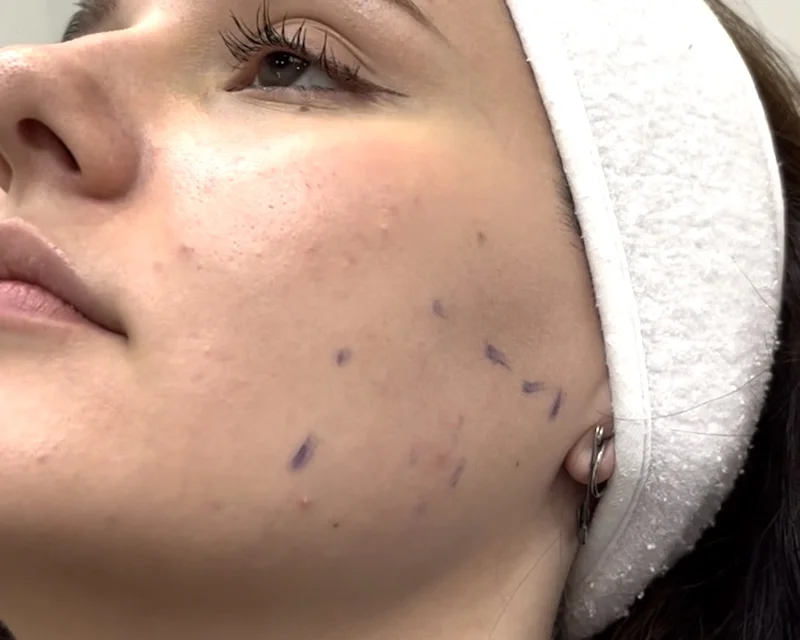
When Masseter Botox May Be the Right Choice
Masseter Botox can address both functional and cosmetic concerns. Whether your goal is to relieve jaw pain, stop teeth grinding, or create a slimmer jawline, treatment begins with identifying the underlying cause and determining whether the masseter muscle is contributing to your symptoms or facial shape.
TMJ Pain & Jaw Tension
Overactive masseter muscles can contribute to jaw tension, facial discomfort, and TMJ-related symptoms. By relaxing these powerful chewing muscles, Masseter Botox may reduce muscle strain, making everyday activities such as chewing, talking, and waking up in the morning more comfortable.
Teeth Grinding & Clenching (Bruxism)
Many people clench or grind their teeth without realizing it, especially during sleep or periods of stress. Over time, this constant muscle activity can lead to jaw fatigue, headaches, tooth wear, and enlargement of the masseter muscles. Masseter Botox helps reduce excessive muscle activity while preserving normal chewing function.
Jawline Slimming & Facial Contouring
Enlarged masseter muscles can create a wider, more square-shaped lower face. As the muscles gradually relax and decrease in volume, the jawline may appear slimmer, softer, and more refined. During your consultation, we'll determine whether your facial shape is primarily influenced by the masseter muscles and discuss realistic expectations for jawline improvement.
Treatment Goals: TMJ Relief vs Jawline Slimming
Although the same masseter muscles are treated, the injection strategy is different depending on whether the priority is relieving symptoms or improving facial contour. Understanding these differences helps set realistic expectations before treatment.
When Relief Is the Priority
Treatment is planned to reduce excessive muscle activity responsible for jaw tension, clenching, and teeth grinding. Improving comfort and muscle function is the primary objective, while jawline slimming may occur as an additional benefit.
When Jawline Slimming Is the Priority
The treatment is planned to gradually reduce the volume of enlarged masseter muscles while preserving a balanced, natural appearance. Facial contour, symmetry, and long-term aesthetic harmony become the primary focus.
When Both Goals Matter
Many patients benefit from a treatment plan that addresses both function and appearance. By understanding your priorities before treatment begins, Botox can be planned to relieve jaw tension while supporting the best possible aesthetic outcome.
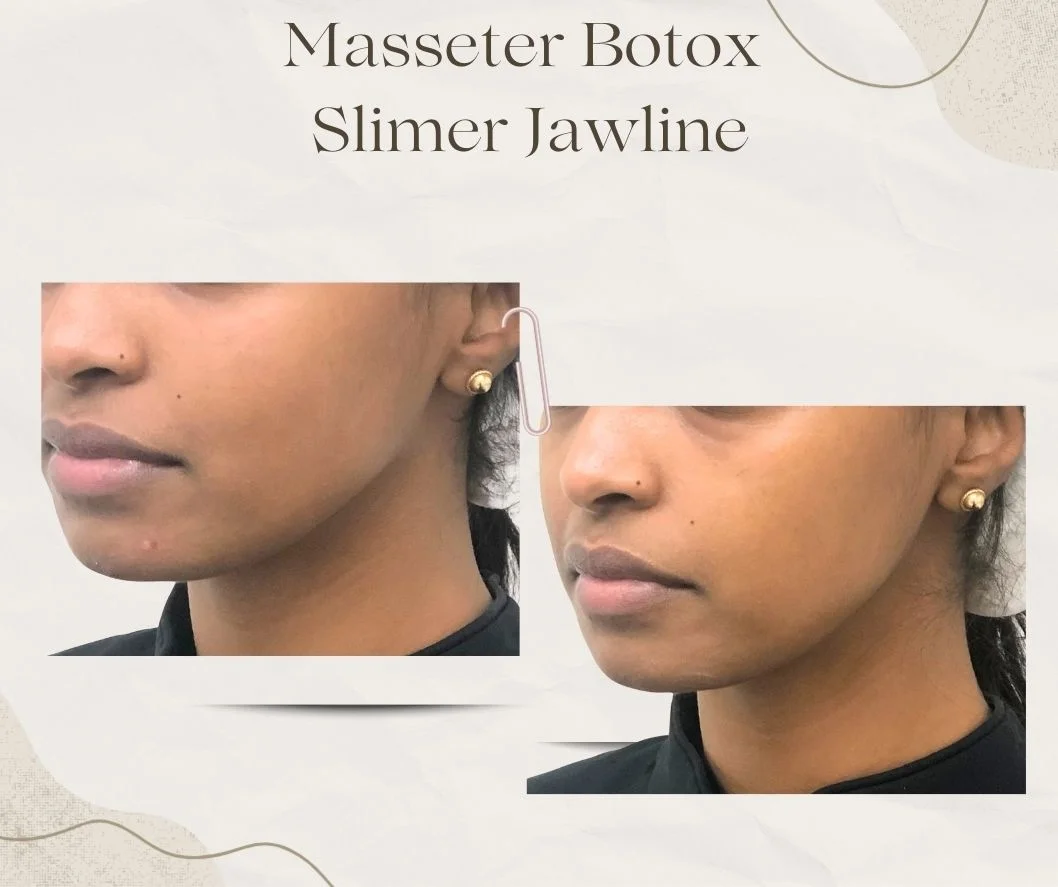
Masseter Botox for Mature Faces
Masseter Botox for mature patients requires a different approach than treatment for younger faces. After about age 35, increased muscle tension often develops throughout the lower third of the face as part of the aging process. Treating only the masseter muscles may not produce the most flattering result because the muscles of the jawline, chin, mouth corners, and neck work together as a functional unit.
For some mature patients, relaxing only the masseter may make existing jowls, marionette lines, or loss of jawline definition appear more noticeable. This doesn't mean Masseter Botox should be avoided—it means the treatment plan should consider the entire lower-face muscle complex, not just one muscle.
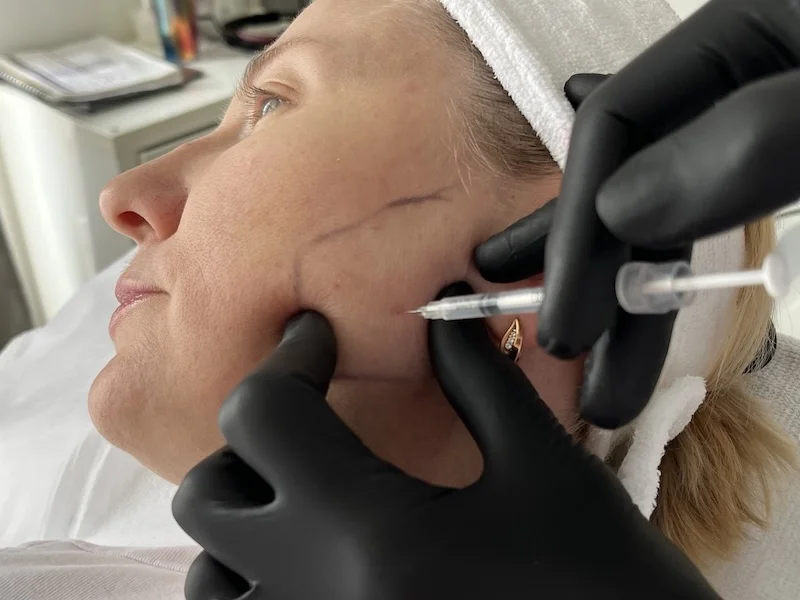
Rather than focusing exclusively on the masseter, we evaluate the surrounding muscles, including the DAO (depressor anguli oris), mentalis, and platysma, when appropriate. Carefully distributing Botox among these muscles helps maintain facial balance while achieving your treatment goals.
This comprehensive approach allows many mature patients to achieve more than relief from TMJ symptoms or teeth grinding. It can also support a softer jawline, improved jawline definition, smoother chin appearance, reduced downward pull at the corners of the mouth, and a more harmonious lower face—all within a personalized treatment plan. For more information about this approach, read our guide to Chin Botox Toronto.
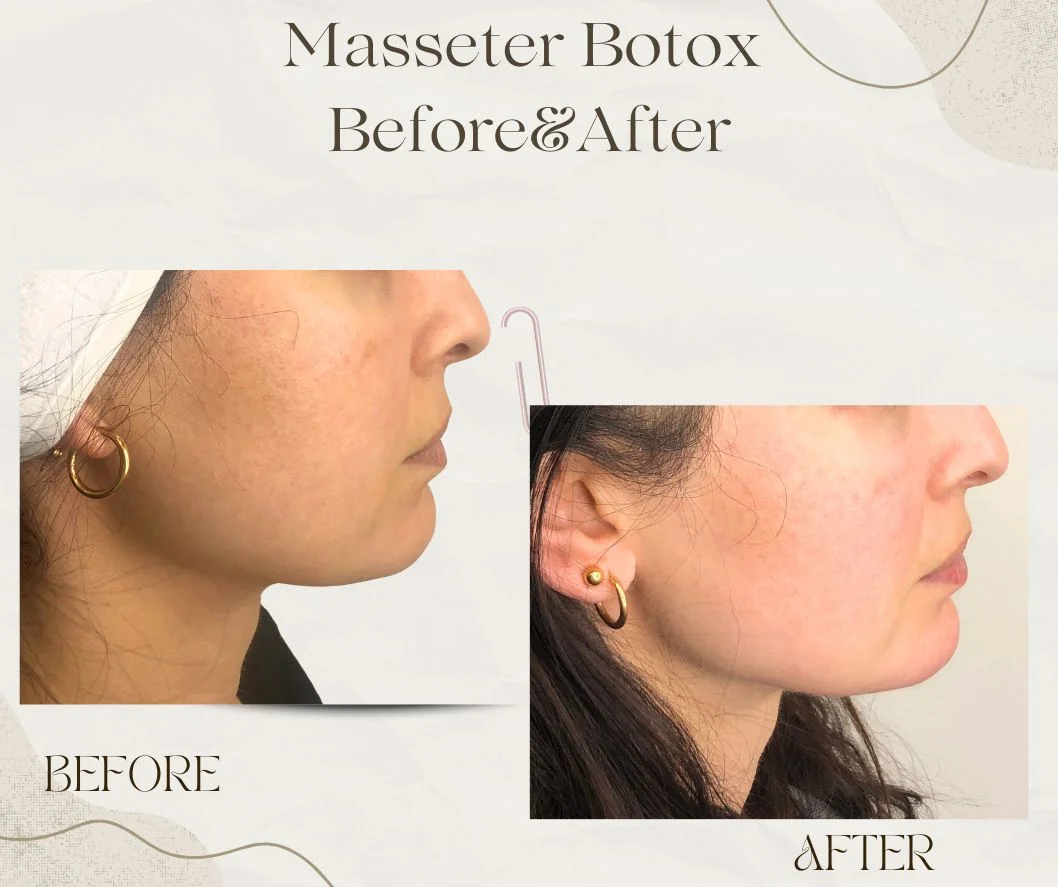
Masseter Botox Before & After Results
Before-and-after photos can demonstrate changes in jawline shape, but they cannot show improvements in TMJ symptoms, jaw tension, or teeth grinding. Those functional benefits are experienced rather than seen.
For patients choosing Masseter Botox to slim the jawline, the goal is a natural-looking refinement, not a dramatic change in facial appearance. Visit our Before & After Gallery to see real patient results and discuss what you can realistically expect during your consultation.
Cost, Safety & Recovery
Understanding the cost, recovery, and possible side effects of Masseter Botox can help you make an informed treatment decision.
Cost
The cost of Masseter Botox depends on the number of Botox units required and your personalized treatment plan. Learn more on our Botox Cost Toronto page.
Safety & Possible Side Effects
Because the masseter is a large, deep muscle, mild tenderness while chewing or clenching is common for several hours and sometimes for a day or two. A temporary masseter bulge is uncommon and, if it occurs, can usually be corrected with a small touch-up treatment.
Recovery & Aftercare
There is little to no downtime after Masseter Botox. To help the product distribute more evenly through the masseter muscle, we recommend gently clenching and relaxing your teeth for about one hour after treatment. For more information about Botox safety, visit our Botox Side Effects page.
What to Expect During Treatment
Masseter Botox is different from most cosmetic Botox treatments because it targets one of the largest and strongest muscles of the face. Understanding what happens during your appointment helps you know what to expect and why treatment is carefully individualized.
Every Side Is Different
The left and right masseter muscles are rarely identical. One side is often stronger or larger because of your natural chewing pattern or long-term clenching. During your assessment, we evaluate each side separately, and the Botox dosage may differ to create balanced results.
TMJ Treatment May Include the Temple Area
For patients with TMJ symptoms, the temporalis muscle is often involved in addition to the masseter. During your assessment, we'll ask you to clench your teeth so we can evaluate both muscle groups. When appropriate, Botox may also be injected into the temple area as part of your treatment plan.
Deep Muscle Injections Feel Different
Unlike forehead or frown line Botox, Masseter Botox is injected deep into a large muscle using specialized longer needles. Because medication is delivered into the muscle itself, you should expect temporary pressure or soreness during treatment and mild tenderness for several hours or occasionally a day or two afterward. This is a normal part of treating a large, powerful muscle.
Masseter Botox FAQ
1. How long does Masseter Botox take to work?
Many patients notice reduced jaw tension within the first week. If your goal is jawline slimming, visible contour changes usually begin within 2–4 weeks and continue to improve as the masseter muscle gradually decreases in volume.
2. How many units of Masseter Botox do I need?
Most patients begin with 25 units per side (50 units total), following the manufacturer's recommended starting protocol. However, the final dosage depends on your muscle strength, treatment goals, and whether additional muscles are included in your treatment plan.
3. Will Masseter Botox change my smile?
When performed correctly, Masseter Botox should not change your natural smile. The treatment targets the chewing muscles rather than the muscles responsible for smiling and facial expression.
4. Can one side of the masseter need more units than the other?
Yes. It is common for one masseter muscle to be stronger or larger than the other because of chewing habits or long-term clenching. Each side is assessed individually, and the dosage may be adjusted to create balanced results.
5. Is there downtime after Masseter Botox?
There is no true downtime. Most clients return to normal activities immediately, avoiding strenuous exercise for 24 hours. Improvements appear gradually without visible signs of treatment.
6. Is Masseter Botox different for mature patients?
Yes. Mature patients often benefit from a more comprehensive treatment strategy because the muscles of the lower face work together. In some cases, treating additional lower-face muscles may help maintain facial harmony while relieving jaw tension or improving jawline definition.
7. How long do Masseter Botox results last?
Results typically last 3–6 months, although this varies from person to person. Patients receiving regular treatments often find that less Botox is needed over time as muscle activity gradually decreases.
Book Your Masseter Botox Consultation in Toronto
Ready to learn if Masseter Botox is right for you? Schedule a personalized consultation at MedVSPA in Yorkville to discuss your concerns, treatment options, and expected results.