
Chin Botox is one of the most individualized Botox treatments because changes in the lower face may result from muscle activity, facial structure, volume loss, or a combination of factors. At MedVSPA in Yorkville, every treatment begins with a personalized assessment to determine whether Chin Botox alone or a combination approach is the best option for achieving natural-looking results.
Chin Botox is one of several treatments described on our Botox Toronto page, where you can learn how different facial muscles are assessed together.
Key Insights About Chin Botox
- Every treatment is personalized. Your facial anatomy, muscle activity, and goals determine the best approach.
- Natural results depend on muscle balance. Conservative treatment helps preserve facial expression.
- Chin Botox isn't right for everyone. Some patients benefit more from Dermal Fillers, Masseter Botox, or combination treatment.
- Recovery is minimal. Most patients return to normal activities immediately, with results developing over 1–2 weeks.
What Is Chin Botox?
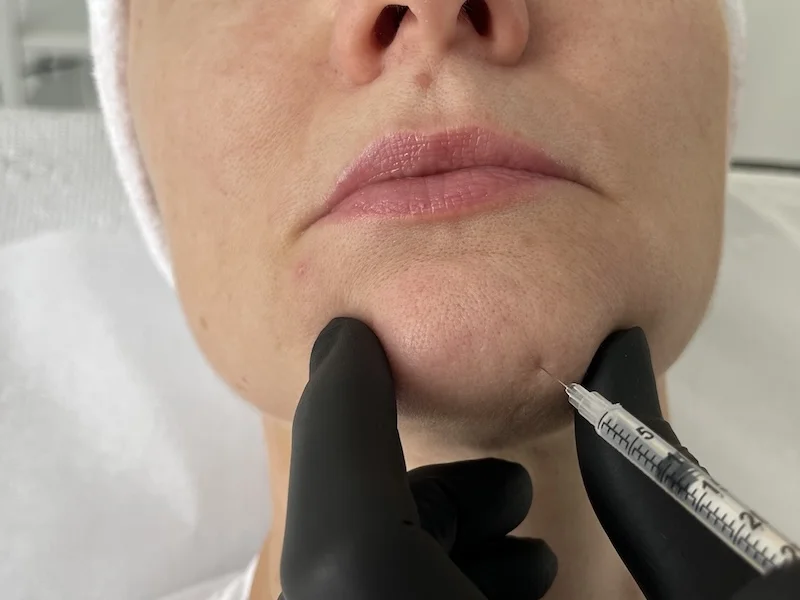
Chin Botox relaxes the mentalis muscle to smooth chin dimples and improve lower-face balance. While many people seek treatment for a "pebble chin," personalized injections may also soften marionette lines, early jowls, and downturned mouth corners by balancing the muscles of the lower face.
What Is the Mentalis Muscle?
The mentalis is the main muscle in the center of the chin. When it becomes overactive, it creates the dimpled or "orange peel" appearance, especially during speaking or facial expressions.
Why Does the Chin Develop Dimples?
An overactive mentalis muscle repeatedly pulls on the chin. As we age, changes in the jawbone, facial fat, and skin support make chin dimples and wrinkles more noticeable, even when the face is relaxed.
More Than Treating a Dimpled Chin
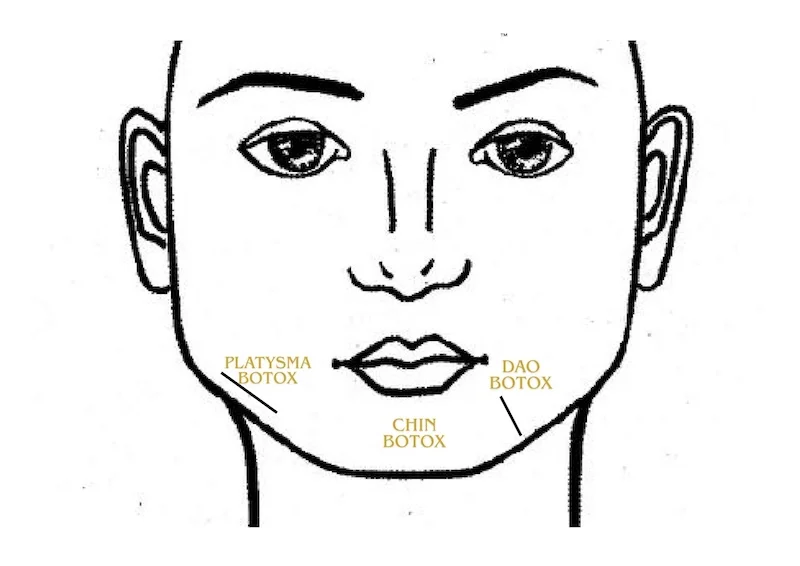
The mentalis works together with the DAO and platysma, two muscles that pull the lower face downward. Carefully balancing these muscles may soften marionette lines, improve jawline appearance, and create more natural-looking results than treating the chin alone. If jawline corners contribute to your appearance, Masseter Botox may also be part of a personalized treatment plan when jaw muscle enlargement is present.
Who Is a Good Candidate for Chin Botox?
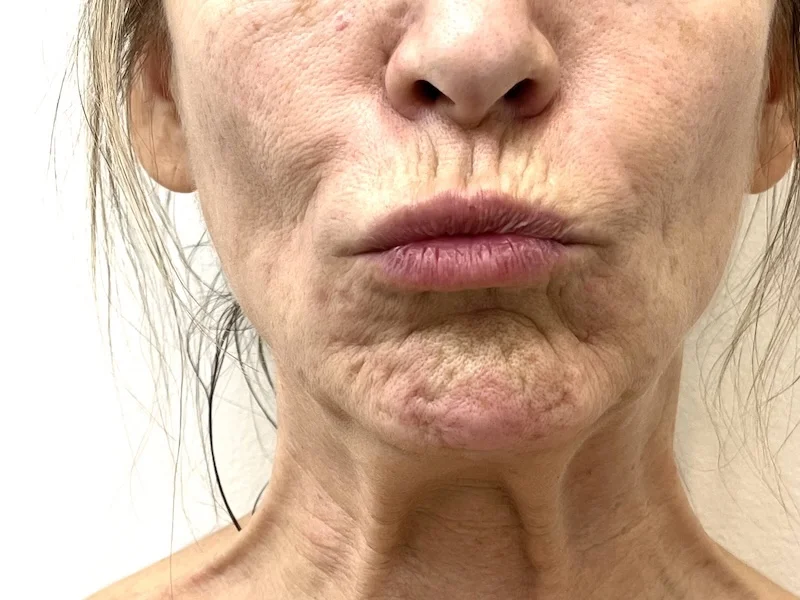
Chin Botox is not recommended simply because of age. The best candidates are people with overactive lower-face muscles that affect facial appearance or expression. Age helps determine which muscles are contributing to the concern and how the treatment should be planned.
Younger Patients
In younger patients, Chin Botox is usually recommended only when the mentalis muscle is overactive. Some people noticeably contract the chin while speaking or making facial expressions, creating a dimpled or uneven appearance. In these cases, relaxing the muscle can improve both appearance and muscle balance.
Unlike forehead Botox, preventative Chin Botox is rarely necessary. If the mentalis muscle is not overactive, treatment is unlikely to provide a meaningful benefit.
Mature Patients
After the age of 35, the muscles in the lower face gradually become tighter and pull downward more strongly. This can cause the corners of the mouth to drop, marionette lines to deepen, jowls to appear, and the jawline to lose definition.
The three muscles most responsible for these changes are the mentalis, depressor anguli oris (DAO), and platysma. Instead of treating only the chin, we evaluate how these muscles work together and carefully relax them to restore lower-face balance while maintaining natural facial expression.
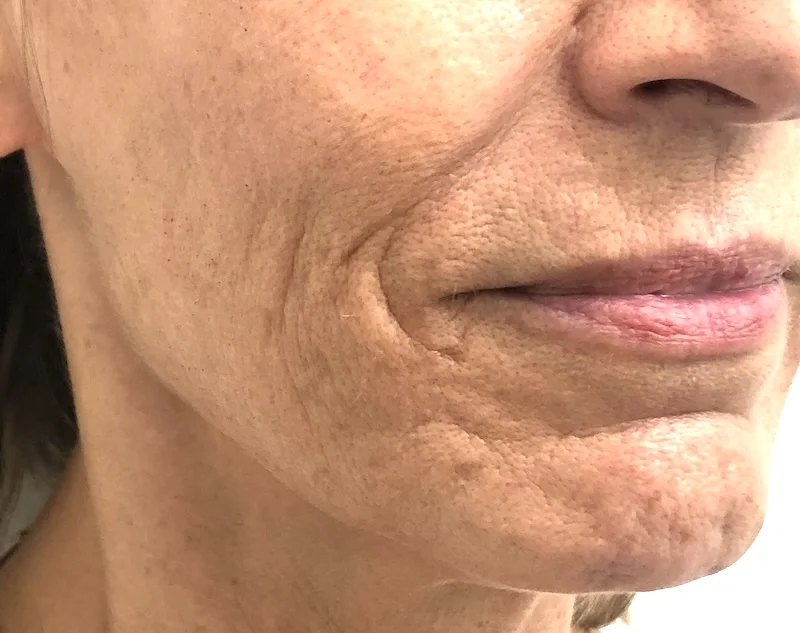
Not every Chin Botox treatment looks the same. Younger and mature patients have different causes of lower-face aging, so the injection strategy is personalized rather than identical for everyone.
Why More Botox Isn't Always Better
Natural-looking results depend on muscle balance, not simply using more Botox. Relaxing the chin too much can make it appear flat and allow the muscles that pull the mouth corners downward (DAO) to become more dominant, creating an unnatural lower-face appearance.
Instead of placing a large dose into the chin alone, we often use conservative doses across several lower-face muscles when appropriate. This personalized approach helps preserve natural facial expression while improving chin dimples, marionette lines, and overall lower-face harmony.
When Chin Botox Alone Isn't Enough
Not every chin or lower-face concern is caused by overactive muscles. Choosing the right treatment begins with identifying the cause of the concern, not simply treating the area that bothers you. While Chin Botox effectively relaxes overactive muscles, some patients achieve better results with a different treatment or a personalized combination approach.
Dermal Fillers may be recommended to restore lost volume, improve chin projection, or provide structural support when muscle relaxation alone cannot achieve the desired result. Leran more about Dermal Fillers in Toronto
Masseter Botox may be a better choice if enlarged jaw muscles create a wider or more square jawline. In some patients, combining Masseter and Chin Botox produces a more balanced lower-face appearance.
For some patients, the best outcome comes from a personalized full-face Botox plan that balances muscle activity across the upper and lower face rather than treating the chin in isolation.
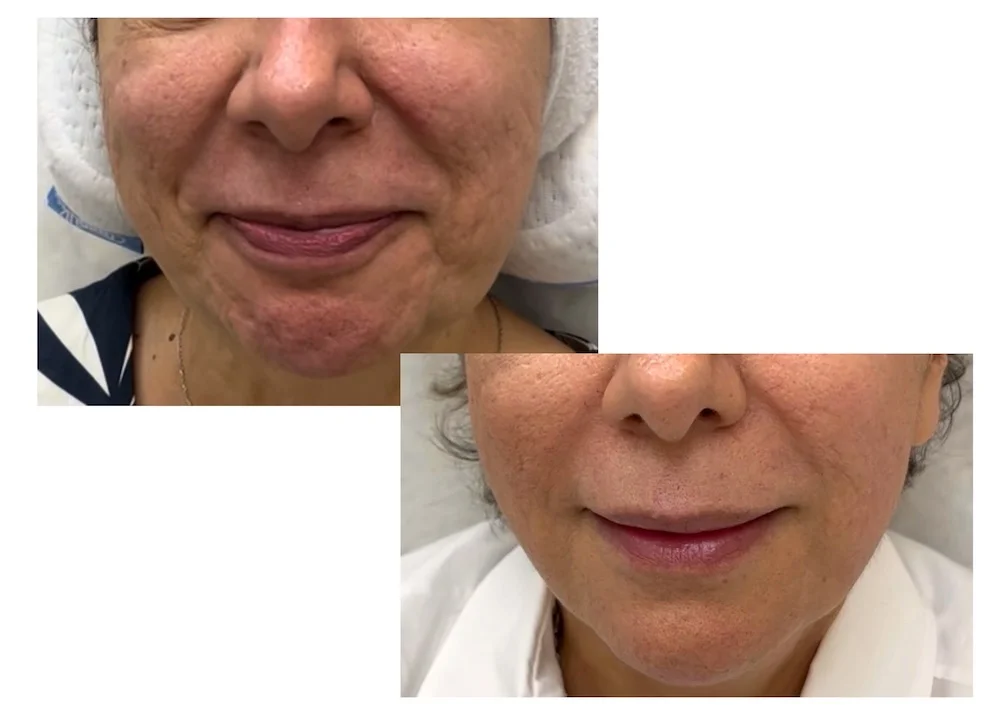
Chin Botox Before & After
Chin Botox creates subtle, natural-looking improvement rather than dramatic change. The goal is a smoother chin, softer lower-face tension, and better facial harmony while preserving your natural expression. Results become noticeable within 3–7 days, with the full effect developing in about two weeks.
Cost, Safety & Recovery
Understanding the cost, recovery, and possible side effects of Chin Botox helps you make an informed treatment decision. Most patients return to their normal activities immediately after treatment, with little or no downtime.
Cost
The cost of Chin Botox depends on the muscles being treated and the number of units required. Some patients need treatment of the mentalis muscle only, while others may also benefit from treating the DAO and platysma muscles. Your treatment plan and pricing are discussed during your consultation.
Learn more about Botox pricing on our Botox Cost Toronto page.
Safety & Possible Side Effects
Chin Botox is a safe procedure when performed by an experienced injector with a thorough understanding of lower-face anatomy. Because several muscles work together in this area, accurate assessment and conservative dosing are essential for achieving natural-looking results.
Temporary redness, swelling, tenderness, or small bruises at the injection sites may occur. Learn more about common Botox side effects, how often they occur, and how they are managed.
Recovery & Aftercare
There is little to no downtime after Chin Botox, and most patients return to normal activities immediately. Because the mentalis is a relatively large muscle that requires deep injections, the treatment may feel more sensitive than Botox in some other facial areas. Platysma injections can also be slightly more uncomfortable, particularly in mature patients.
Small bruises may occasionally develop after platysma injections, especially in thinner or mature skin, but they are usually minor and resolve within several days. Results typically begin to appear within 3–7 days, with the full effect developing in about two weeks.
Toronto Chin Botox FAQ
1. Can Chin Botox change the shape of my chin?
Chin Botox relaxes the muscles that create dimpling and excessive chin movement, but it does not change your bone structure. If your concern is a naturally recessed chin or loss of facial volume, another treatment may provide a better result.
2. Will my smile look different after Chin Botox?
When performed with conservative dosing, Chin Botox should not noticeably change your smile. The goal is to reduce excessive muscle activity while preserving natural facial movement and expression during speaking, smiling, and eating.
3. Why do some people need treatment beyond the chin?
Lower-face muscles work together to influence chin movement, mouth corners, and jawline appearance. Depending on your facial anatomy and treatment goals, addressing more than one muscle may produce a more balanced and natural-looking result.
4. Can Chin Botox be combined with Masseter Botox?
Yes. Some patients benefit from treating both the chin and masseter muscles to improve lower-face balance. Your treatment plan depends on muscle activity, facial proportions, and the aesthetic outcome you want to achieve.
5. Is Chin Botox suitable for mature patients?
Yes, but treatment planning often differs from younger patients. Changes in muscle activity, facial support, and skin quality are considered to create natural-looking results while avoiding an over-treated appearance.
Book Your Chin Botox Consultation in Yorkville
Whether your goal is to smooth a dimpled chin, soften marionette lines, or improve lower-face balance, we'll recommend the treatment approach best suited to your facial anatomy and aesthetic goals.
Book your consultation at MedVSPA in Yorkville to receive a personalized treatment plan from an experienced RN injector dedicated to natural-looking results.